

The global energy sector is undergoing a profound transformation — driven by the transition to sustainable technologies, rising network loads, and the growing importance of digital systems and energy storage. Equipment manufacturers are not just responding to these changes — they are shaping the future of energy.
Below is an overview of five major trends defining the industry’s evolution and setting the direction for the decades ahead.
1.Grid Reinforcement: HV / UHV / HVDC
Electrical grids are becoming stronger, more resilient, and more adaptable. Manufacturers are scaling up transformer and switchgear portfolios while developing High Voltage Direct Current (HVDC) technology to transmit power efficiently over long distances. This minimizes energy losses and interconnects regions with different generation capacities.
Impact: Integration of remote renewable stations, lower transmission costs, and enhanced system stability.
2.Energy Storage and System Flexibility
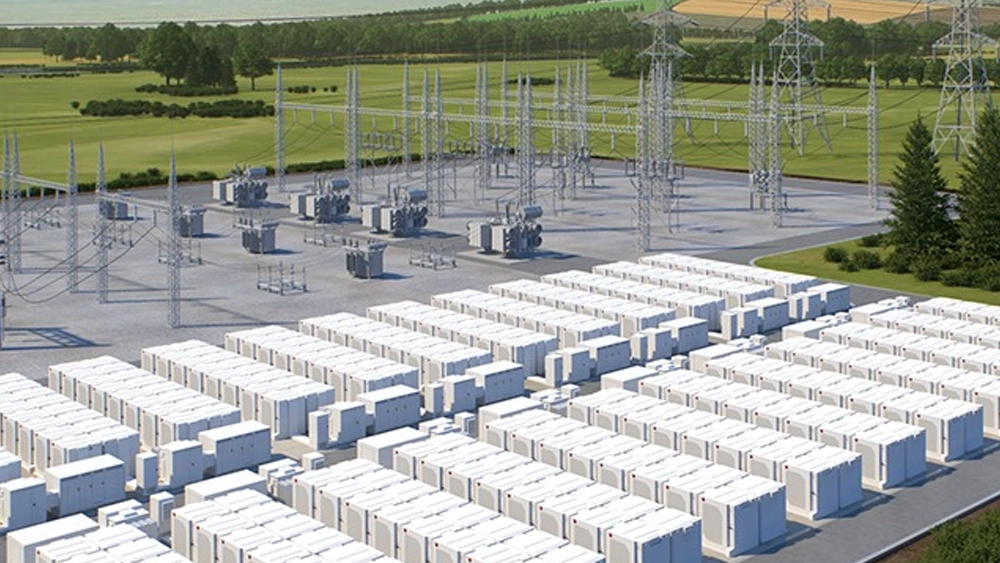
Battery Energy Storage Systems (BESS) are emerging as the new core of modern power networks. They provide a buffer between generation and consumption, maintaining balance and reliability. Companies are developing large-scale projects — from hundreds of megawatts to gigawatt-class — combining solar generation with intelligent storage and control software.
Impact: Reduced outages, better peak load management, and compensation for intermittent renewable generation.
3.SF₆-Free Technologies
Sulfur hexafluoride (SF₆) has long been used as an insulating gas in high-voltage equipment but poses a serious climate risk. Manufacturers are developing environmentally friendly alternatives and new materials for ‘clean switchgear’ solutions.
Impact: Reduced greenhouse gas emissions, compliance with climate standards, and long-term sustainability of infrastructure.
4.Dry-Type Transformers and Adaptive Solutions
Demand for dry-type transformers is rising, especially for critical infrastructure such as data centers, transportation hubs, and buildings. These transformers offer increased safety, require less maintenance, and eliminate the need for oil cooling. Manufacturers are expanding their customized lines to meet specific industrial and environmental requirements.
Impact: Improved operational safety, lower maintenance costs, and tailored engineering for sector-specific needs.
5.Digitalization, Analytics, and Cybersecurity
Smart monitoring systems, digital analytics platforms, IoT integration, and secure communication networks are becoming standard across the energy industry. Manufacturers now include diagnostic modules, remote control capabilities, redundancy, and cybersecurity features in their solutions.
Impact: Early fault detection, minimized downtime, enhanced safety, and overall efficiency.
Conclusion
These five trends represent more than just technological progress — they are a roadmap for a sustainable and reliable energy future. Manufacturers adopting these approaches today are building strong competitive advantages and establishing themselves as trusted partners in the global energy transition.
Stay tuned for our upcoming series of case studies that showcase how these trends are being implemented in real-world projects — with data, visuals, and insights.
